
The Artists
Judith Yan

Kateryna Khartova
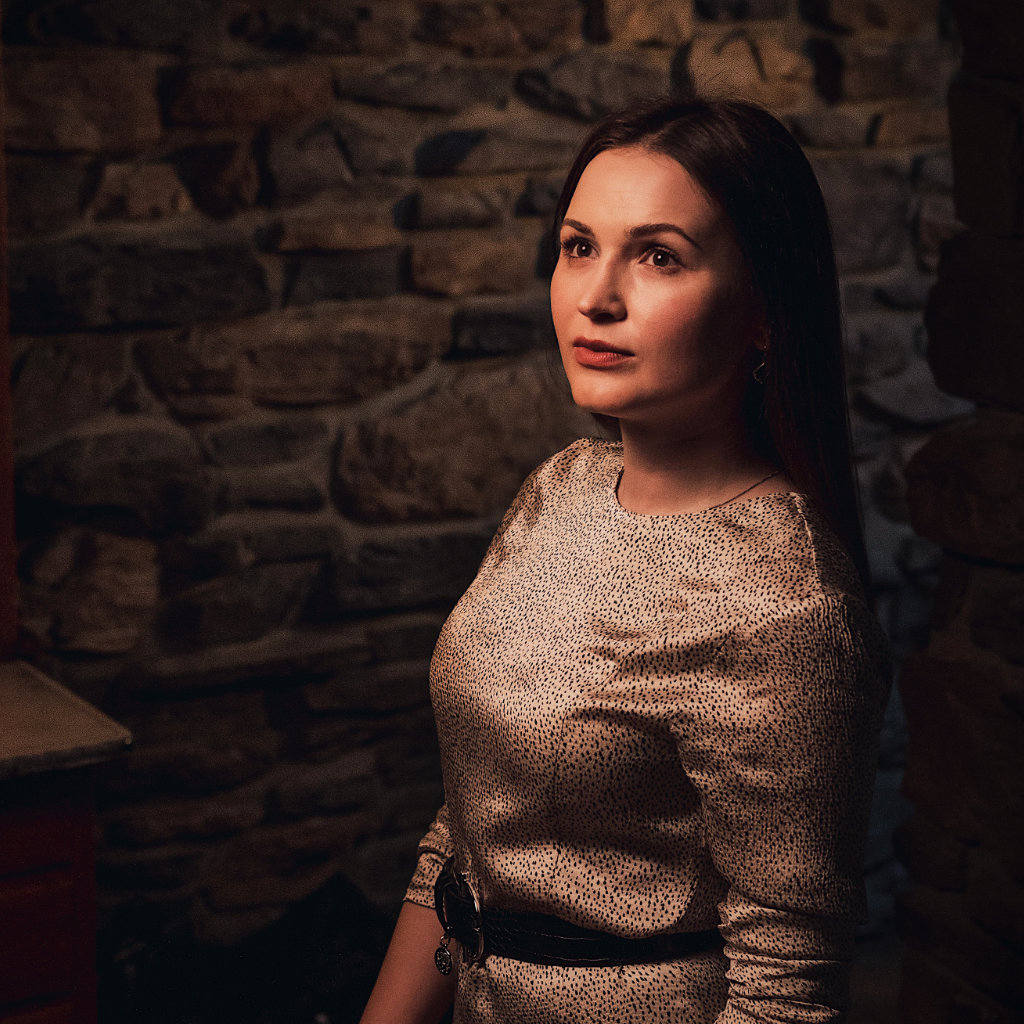
Oli Guselle
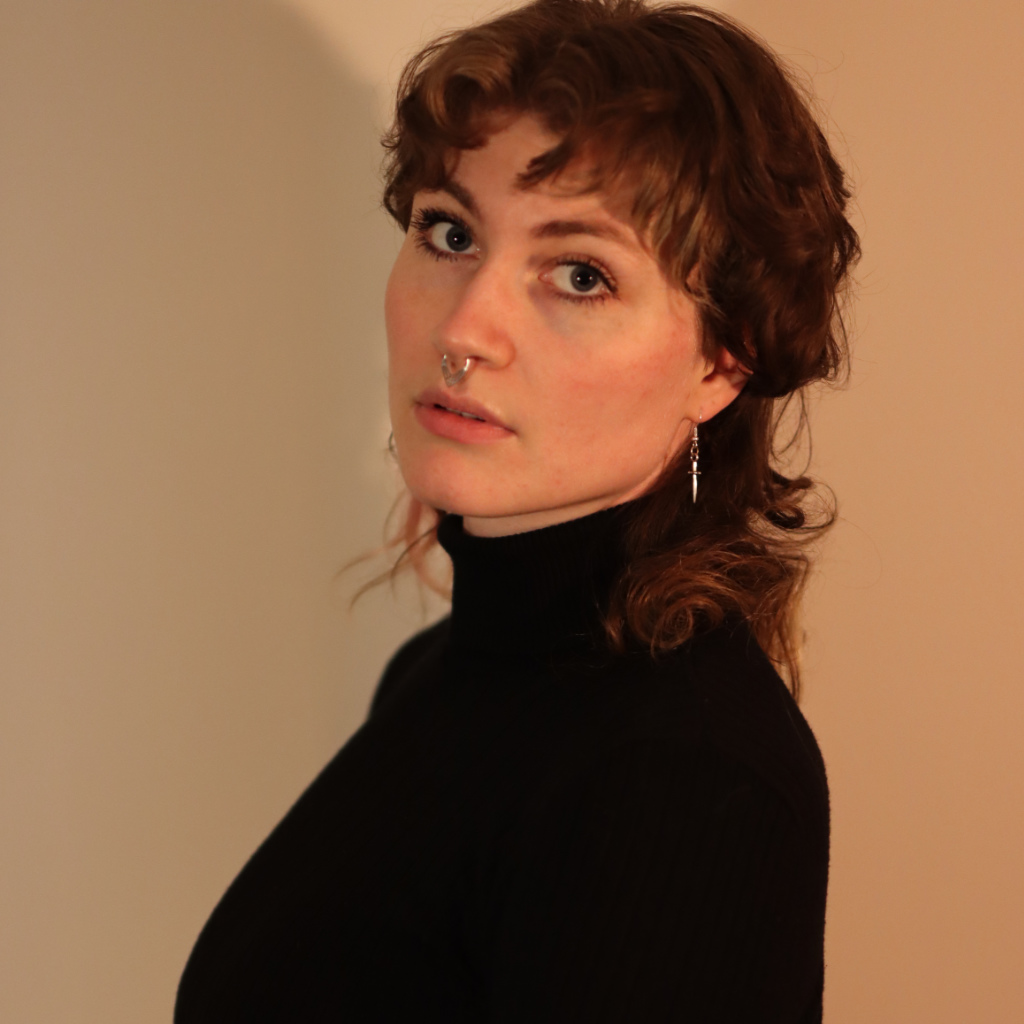
Additional Artists
This concert features:
Violin 1
1. Michael Swan, concertmaster
2. Wagner Barbosa, assistant concertmaster
3. Lillian Jen-Payzant
4. Simon Fanner
Violin 2
1. Drusilla Waltz, principal
2. Karen Bindle
3. Kevin MacMillan
4. Kimia Khavaninzadeh
Viola
1. Jim Legge, principal
2. Jeremy Janzen
Cello
1. Joel MacDonald, principal
2. John Payzant
Bass
1. David Humphrey, assistant principal
Keyboard
1. Kerry Agnew
2. Michella Aalders
Finding Light
Judith Yan, conductor
Kateryna Khartova, soprano
Oli Guselle, alto
Saskatoon Symphony Orchestra
Adagio in G Minor
Remo Giazotto
Attrib. Tomaso Albinoni
Stabat Mater
I. Stabta Mater
II. Cujus animam
III. O quam tristis
IV. Quae moerebat
V. Quis ost homo
VI. Vidit suum
VII. Eia Mater
VIII. Fac ut ardeat
IX. Sancta Mater
X. Fac ut portem
XI. Inflammatus
XII. Quando corpus – Amen
Giovanni Battista Pergolesi
*This concert has no intermission*
Adagio in G Minor
Although popularly referred to as Albinoni’s Adagio, the Adagio in G Minor was actually composed by musicologist and biographer Remo Giazotto (1910-1998). Giazotto published the piece in 1958, stating that he had completed it based on an incomplete manuscript by Italian neo-Baroque composer Tomaso Albinoni (1671-1751), which Giazotto claimed to have obtained from the post-war remains of a library in Dresden, Germany. Many doubted Giazotto’s story, because among other things he never produced the manuscript fragment and the library had no record of it. Giazotto retracted his story shortly before his death, taking sole credit for the piece.
Controversial origins aside, this somber and beautiful piece has been used in many and varied films and television shows, including The Sopranos, Flashdance, and Manchester by the Sea. While the Adagio was originally scored for strings and organ, its popularity has led to its transcription for many other instruments and voices, including a rock version by The Doors.
Stabat Mater
Pergolesi’s Stabat Mater is one of the most famous compositions ever written in praise of the Virgin Mary. The text dates from the mediæval era, and describes Mary, the sorrowful mother, witnessing the suffering of her son from the base of the cross. Commissioned by the Most Noble Order of the Knights of Our Lady of Sorrows in Naples for performance during devotional services on each Friday of Lent, Pergolesi’s setting replaced a Stabat Mater by Alessandro Scarlatti that had been performed in Naples for twenty years and become outdated. Eschewing the contrapuntal severity typical of Baroque sacred music, Pergolesi achieved a natural or “galant” compositional style by focusing musical interest in the vocal melodies, and diligently reflecting the metrical stress and expressive sensibility of the poignant text in the music. Instruments played an accompanimental role, often doubling the voice parts and only occasionally providing contrapuntal interest. Johann Sebastian Bach acknowledged the power of Pergolesi’s Stabat Mater by borrowing its music for his cantata Tilge, Höchster, meine Sünden, BWV 1083. This work’s significance, however, extends far beyond its position in music history or the ecclesiastical tradition for which it was written. Here is a moving, profoundly human picture of a grieving mother.
