
The Artists
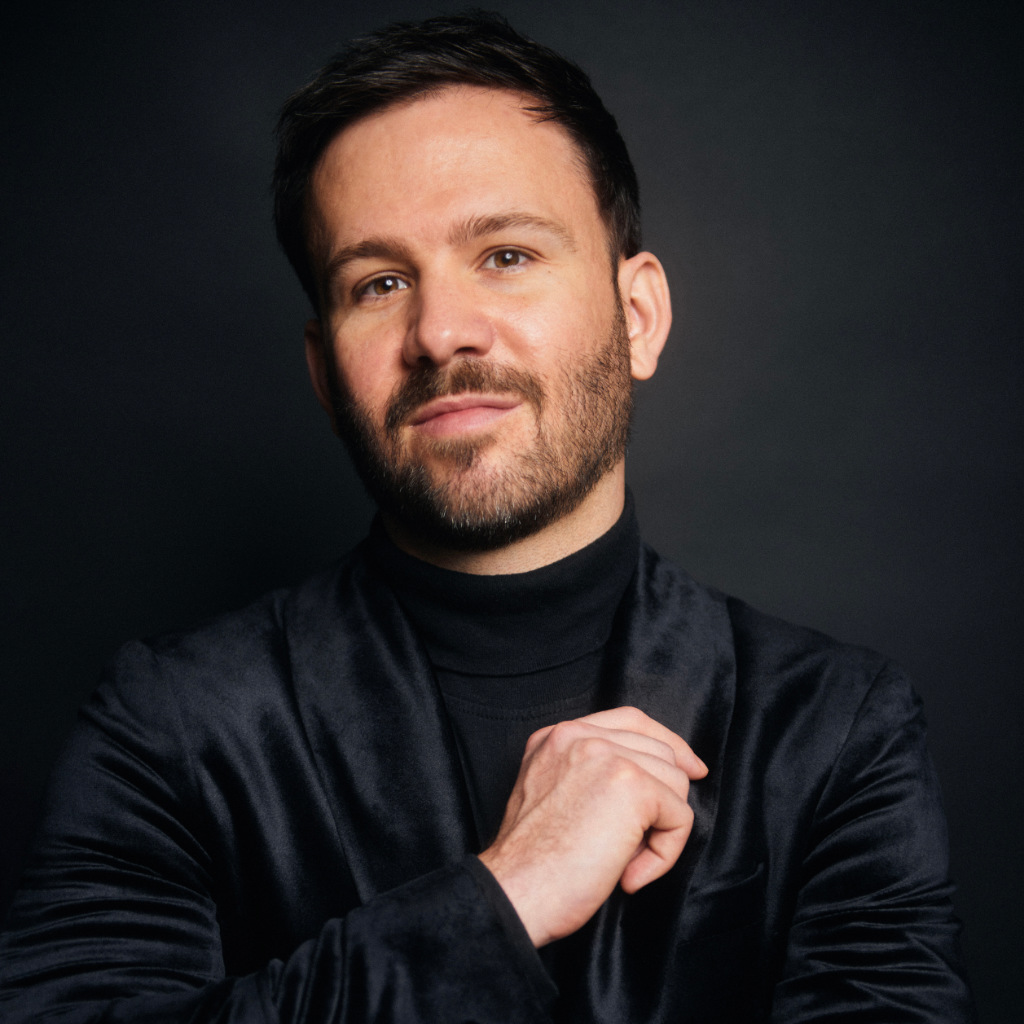
Andrew Crust
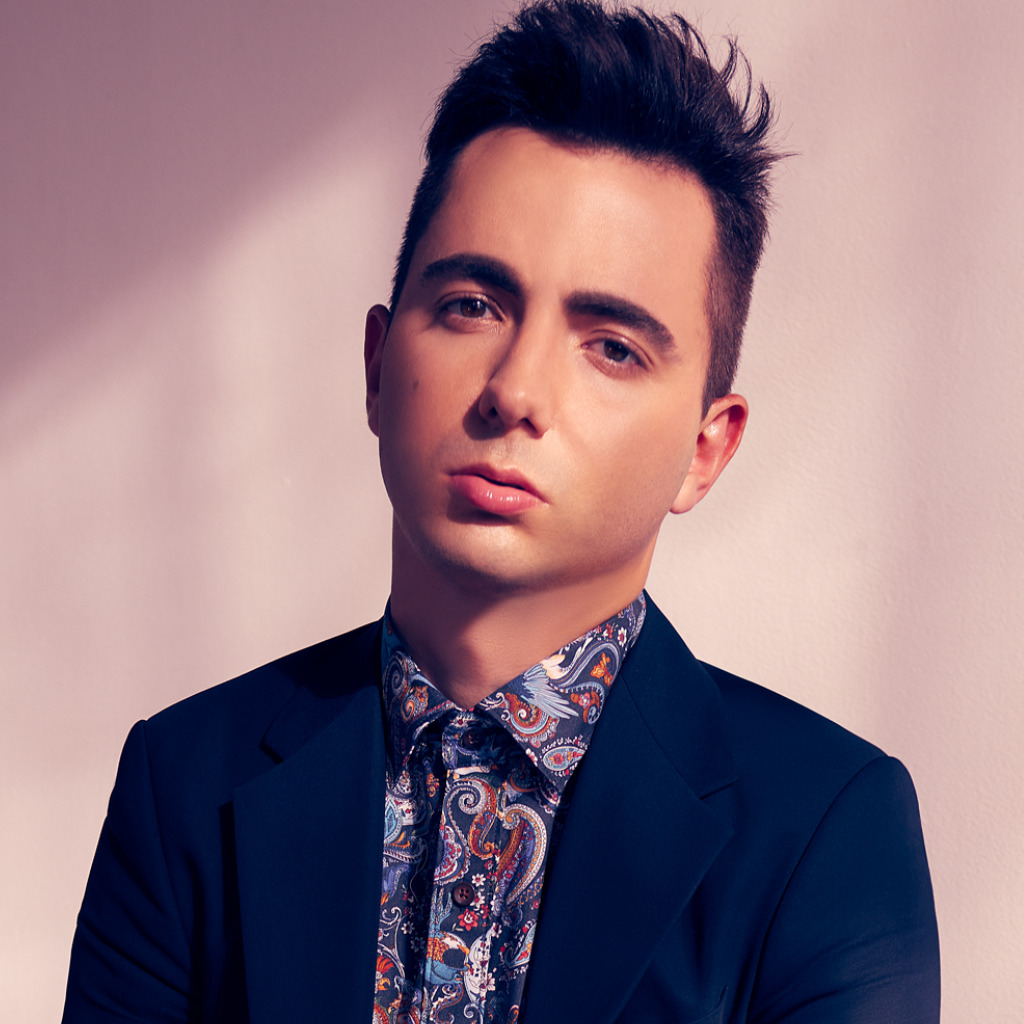
Stéphane Tétreault
Additional Artists
University of Saskatchewan Greystone Singers
Dr. Jennifer Lang
Soprano
Emma Gillingham
Erika Olson
Margarette Perolino
Emily Ruetz
Quintanna Seve
Monica Steinke
Adrianne Tanjusay
Lindsay Van de Weyer
Abby Wendland
Fiona Zhao
Alto
Arieanna Barsi
Halle Boutin
Hunter Boutin
Sanjana Brijlall
Birgitte Friggstad
Julia Gordon
Charlie Lysyk
Olivia Numedahl
Quinn Smith
Rachel Snider
Natalia Yurach
Tenor
Matthew Christensen
Max Eyre-Wilkins
Griffon Fehr
Siyam Hassan
Michael Liu
Bass
Griffin Baan
Jeremy Bell
Parker Hollinger
Erik Jeerakathil
Jaxxon Koethler
Sam Malenfant
Braden Martens-Funk
Aurora Voce
Dr. Jennifer Lang
Soprano
Danielle Strong
Jack Bell
Chelsey White
Vita Skvairson
Michelle McKinnell
Celeste Woloschuk
Brianna Penner
Amy Rybinski
Alto
Jillian Cyca
Christine Heintz
Christine Magdanz
Kylen Rioux
Nicole Tremblay
Julia Visentini
Tenor
Derek Cameron
Dylan Flowers
Spencer Krips
David Woloschuk
Bass
Justin La
Derrick Lee
Jordan Kornelsen
Matthew Praksas
This concert also includes:
Violin – Marcel van den Hurk, Kim de Laforest, Cherie Jarock
Cello – Jo Eggleston
Bassoon – Jonathan Tait
Keyboard – Michelle Aalders, Janet Weaver
Harp – Christina Kant
Night Seasons
Andrew Crust, conductor
Stéphane Tétreault, cello
University of Saskatchewan Greystone Singers & Aurora Voce, Dr. Jennifer Lang
Saskatoon Youth Orchestra, Richard Carnegie
Saskatoon Symphony Orchestra
Festive Overture, Op. 96
Dmitri Shostakovich
Night Seasons
I. Nox Perpetua
II. When it’s darkest, a prayer for the dawn
III. Sanctus
Rebecca Dale
Intermission
Symphony No. 1 in C Minor, Op. 68
I. Un poco sostenuto – Allegro
II. Andante sostenuto
III. Un poco allegretto e grazioso
VI. Adagio – Allegro non troppo, ma con brio
Johannes Brahms
Night Seasons’
Concerto for cello, choir & orchestra
Originally commissioned by Koorprojekt Opus, Netherlands
Music composed by Rebecca Dale © 2022.
AII Rights Reserved.
Night Seasons by Rebecca Dale
Rebecca Dale’s Night Seasons is a reflective and deeply lyrical work that explores the quiet, contemplative hours of the night. Written for strings, the piece moves through emotional landscapes that feel both intimate and cinematic which is a hallmark of Dale’s writing. With sweeping lines, warm harmonies, and moments of stillness, the music evokes the passage of time after dark: solitude, dreams, longing, and eventually, the first light of dawn. Dale has a background in both classical and film music, and you can hear that influence in Night Seasons. The piece doesn’t tell a specific story, but it paints vivid emotional scenes, almost like a soundtrack to a night of reflection. It’s gentle but expressive, and leaves listeners with a sense of calm and beauty. Night Seasons was written and premiered during the COVID-19 pandemic, a time when the world was unusually quiet and introspective. Dale has said that she was drawn to composing music that could offer listeners a space for peace and emotional connection in a difficult time.
I. Nox Perpetua
Text from Catullus 5 by Gaius Valerius Catullus
Soles occidere et redire possunt;
Nobis, cum semel occidit brevis lux,
Nox est perpetua una dormienda.
Suns may set and rise again;
As for us, when once the brief light has set,
An eternal night must be slept
II. When it’s darkest, a prayer for the dawn
Though like the wanderer, sun goes down,
darkness be over me,
yet in my dreams I’m
nearer now,
nearer the dawn to thee.
There let appear steps unto heaven,
angels to beckon me
out of my stony griefs I’ll be
nearer the dawn to thee.
Still all my song shall be
nearer the dawn to thee.
On joyful wing cleaving the sky,
nearer the dawn to thee.
Sun, moon, and stars forgot, I fly
nearer the dawn to thee.
III. Sanctus
Sanctus,
Dominus Deus Sabaoth.
Pleni sunt caeli et terra gloria tua.
Hosanna in excelsis.
Holy,
Lord God of hosts.
Heaven and earth are full of your glory.
Hosanna in the highest
Rebecca Dale, composer
Born in London, Rebecca was composing from very young, completing her first musical aged 10 and piano concerto at 15. She studied at Oxford University (New College) and the National Film & Television School, and she likes odd socks.
After her self-release for choir and orchestra, “I’ll Sing“, reached No.1 in the iTunes Classical Single Charts, British composer Rebecca Dale made history in 2018 when she became the first female composer to sign to Universal Music’s Decca Classics label, and the first woman to sign to Decca Publishing. Her debut album, Requiem For My Mother, featuring her requiem and symphony, went to No.1 in the specialist Classical charts. As a concert composer her work has been performed by ensembles including the Royal Liverpool Philharmonic, the Philharmonia, the Deutsches Symphonie-Orchester, the London Mozart Players, the Scottish Festival Orchestra, Voces8, Tenebrae, soloists Steven Isserlis, Raphaela Gromes, Mari & Hakon Samuelson, Angele Dubeau, Guy Johnston, Alexej Gerassimez, Joby Burgess, Richard Harwood and Louise Alder, as well as musicians of the London Symphony Orchestra and British opera houses. Her requiem was premiered by the Welsh National Opera’s community chorus; she writes regularly for choirs and orchestras with premieres widely across the UK, USA, Canada, Europe and Australia. As 2023 composer in residence for the Opus Foundation, a series of dedicated concerts of her work for choir and orchestra across the Netherlands culminated at the Councertgebouw in Amsterdam. In 2021 she was commissioned to write the Church of England and Classic FM’s first Christmas single, and in 2023 her orchestral reimagining of a Scottish folk melody was selected by HRH King Charles to be performed by violinist Nicola Benedetti at the Scottish service for his coronation. Rebecca is a fellow of the famous MacDowell Colony in New Hampshire, and her music broadcasts regularly on classical radio.
Symphony No 1 in C minor op 68 by Brahms
Brahms’ First Symphony wasn’t rushed, it took over two decades to complete. The delay wasn’t for lack of ideas, but rather a deep respect (and a bit of anxiety) about following in the footsteps of Beethoven. When the symphony finally premiered in 1876, it was clear the wait was worth it. The piece opens with a brooding, dramatic tone, driven by bold harmonies and restless rhythms. The second and third movements offer contrast — tender, lyrical, and full of melodic charm. But it’s the final movement that truly stands out: it begins with a sense of quiet anticipation before building toward a powerful, uplifting theme that many hear as a nod to Beethoven’s Ode to Joy. This symphony is often described as a musical journey,one that moves from uncertainty to triumph, from shadow into light. After hearing the work, conductor Hans von Bülow famously called it “Beethoven’s Tenth.” It was meant as high praise.
Johannes Brahms, composer
Johannes Brahms was a German composer and pianist, born in Hamburg, Brahms showed musical talent early and supported his family by playing piano in taverns as a teenager. His big break came when he met composer Robert Schumann, who famously hailed Brahms as the future of German music. Brahms was known for his deep respect for the past. He drew inspiration from the forms and structures of Classical composers like Mozart, Haydn, and especially Beethoven, while still crafting music with rich harmonies and emotional complexity. His body of work includes symphonies, concertos, chamber music, piano works, and choral compositions like the German Requiem. A deeply private man, Brahms never married and led a quiet life dedicated to his art. His music blends intellect and emotion. Brahms was donated much of his wealth to charities that supported younger musicians.
Special Thanks To The Following
Our Partners